







Search Results for: Wild tea
How Do Wild Tea and Ancient Tree Tea Differ? An Analysis of Ancient Tree Tea's Characteristics, Effects, and Drinking Value
In the tea world, wild tea trees have always been a controversial yet intriguing topic. Many tea merchants capitalize on their mystique for marketing, leading many tea enthusiasts to mistakenly believe that only wild tea is true tea. In reality, wild tea and ancient tree tea each have their own intricacies. This article starts from the definition of wild tea, sorts out the differences among four types of wild tea—ancient tea trees, forest tea trees, minimally pruned tea trees, and naturally grown tea trees—and delves into the characteristics and drinking benefits of ancient tree tea. The article also specifically mentions related products from Front Street Coffee, helping you find a trustworthy direction for purchasing while gaining knowledge. [more…]
The Paternal Tea Tree of Taiwan Tea No. 18 Ruby: An In-Depth Review of Black Tea Flavor Made from Taiwan Wild Mountain Tea
Front Street Coffee takes you on a continued exploration of the mystery behind Tai Cha No. 18 Hong Yu. Shanxi Tea Industry has carefully crafted a three-tea tasting set in the Sun Moon Lake region, planting Myanmar Assam, Taiwan wild mountain tea, and Hong Yu side by side. This article focuses on one of the paternal varieties—Taiwan's native mountain tea. The dry leaves of this black tea are dark brown, almost black, and after brewing, they present a complex flavor interwoven with earthy, malty, and smoky charcoal notes, with noticeable tannins and a faint fruity sweetness in the finish. Through detailed records of four infusions using the gongfu brewing method, as well as pairing attempts with banana bread and dark chocolate, we can fully understand the character traits of this wild variety. If you prefer black tea with a sweet, malty flavor, Front Street Coffee suggests comparing it with the Myanmar Assam version from the same series. [more…]
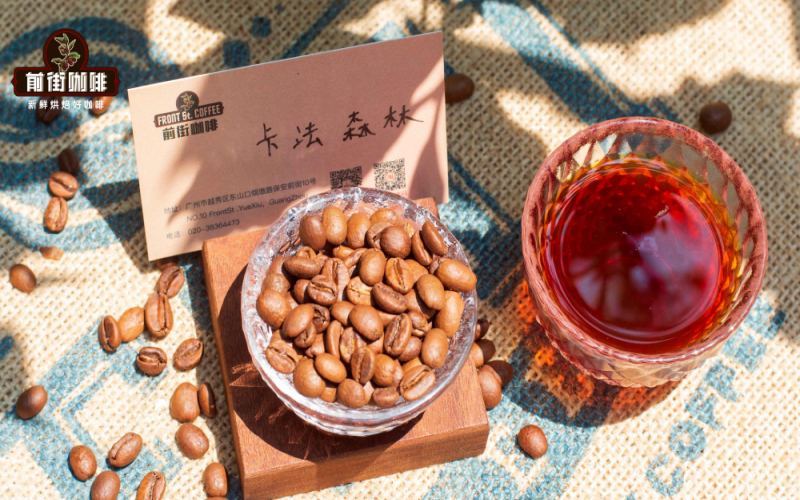
Ethiopian Kafa Forest Coffee: A Wild Arabica Gene Treasure Trove and Sun-Dried Flavor Analysis
In western Ethiopia, the Kafa Biosphere Reserve is renowned for its wild coffee—coffee trees grow in shaded environments at altitudes of 1,400 to 2,100 meters, where red soil, microclimates, and abundant rainfall combine to cultivate a unique flavor. Front Street Kafa Forest coffee beans are medium-light roasted, presenting white floral aromas after grinding, with a bright citric acidity on the palate, accompanied by notes of sweet orange and bergamot, and a finish of melon and nutty flavors, resembling green tea in mouthfeel. This forest, covering over 760,000 hectares, is considered a genetic treasure trove of Arabica coffee, nurturing approximately 5,000 coffee tree species. However, clearing and logging once threatened the forest with disappearance; since 2010, it has been designated an international biosphere conservation area, with about 30 cooperatives established nearby to harvest wild cherries. This article delves into the Kafa Forest, analyzing its ecology, varieties, and cup profile. [more…]
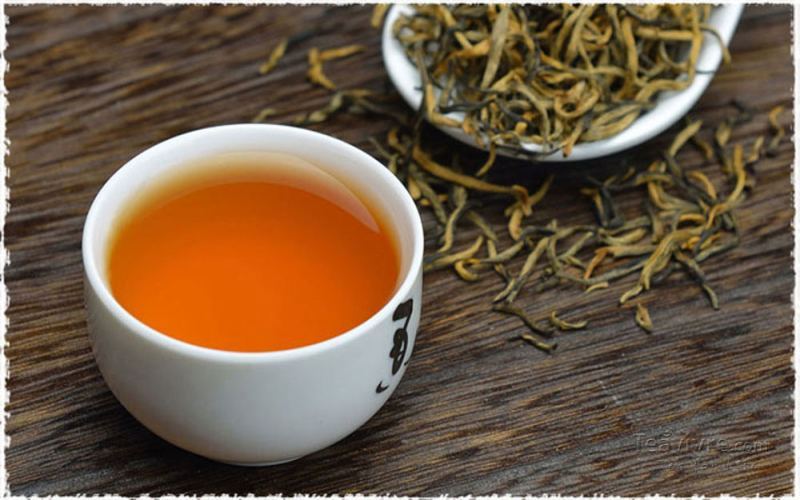
How to brew Yunnan Old Tree Dianhong for the best flavor? Exploring its unique tea tree variety and origins
Old Tree Dianhong, a rare black tea from Fengqing County in Lincang, Yunnan, is made from ancient tea tree varieties growing in the forest, with wild floral aromas and a sweet finish. Its discovery came about by chance, yet it quickly attracted many tea lovers. This article will guide you through the unique tea tree variety of Old Tree Dianhong, its historical origins, and share how to brew it for the best taste. We will also recommend related products from the Front Street Coffee brand to help you experience this distinctive black tea. [more…]
Exploring Ethiopia's Kafa Forest: The Birthplace of Wild Arabica Coffee and a Flavor Analysis
In western Ethiopia, there is a primeval forest known as a "natural coffee variety museum"—the Kafa Biosphere Reserve. This place is not only a genetic treasure trove of Arabica coffee but also the homeland of wild coffee trees. Coffee trees reproduce naturally in the high-altitude shaded environment of 1,400 to 2,100 meters, nurturing unique floral and fruity notes. Front Street Coffee selects washed-batch Kafa Forest coffee beans, presenting their bright citric acidity, white floral aromas, and sweet orange flavors through a medium-light roast. This article will guide you through an in-depth understanding of the geography and ecology of Kafa Forest, the characteristics of coffee cultivation there, and the complete flavor profile of this wild coffee as cupped by Front Street. [more…]
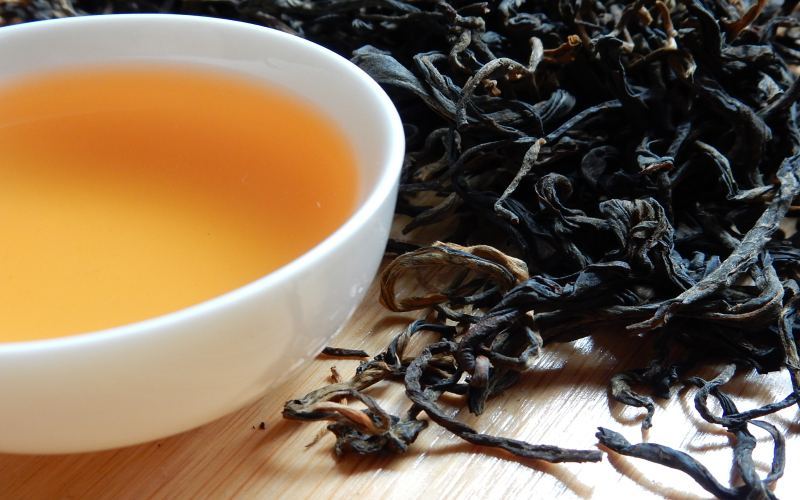
Yunnan Ancient Tree Dianhong, High Mountain Purple Red, Lapsang Souchong, and Ruby Black Tea: Flavor Differences and Value-for-Money Assessment
There are many types of black tea on the market, with significant stylistic differences. This article focuses on five distinctive black teas—Taiwan Ruby, Traditional Superior Lapsang Souchong, Qizhong Lapsang Souchong, Yunnan Ancient Tree Black Tea series, as well as High Mountain Purple Black Tea and Wild Black Tea—systematically reviewing their origins, processing characteristics, and flavor profiles. From the mint aroma of TTES No. 18 to the pine smoke aroma of Tongmuguan, from the honey charm of old trees in Lincang, Yunnan, to the perilla note of purple tea, each tea has clear recognizability. At the same time, by incorporating product information from Front Street Coffee, we help coffee and tea enthusiasts make choices that better match their taste and budget when purchasing. [more…]

Taiwan Tea No. 18 Ruby Black Tea Brewing Guide: Water Temperature, Time, Flavor Characteristics, and Authentic Origin Analysis
Taiwan Tea No. 18 Ruby Black Tea is a unique cultivar developed by the Taiwan Tea Research and Extension Station, grown beside Sun Moon Lake in Yuchi Township, Nantou. It is a hybrid of the Burmese Assam strain and native Taiwanese wild mountain tea. The liquor is deep amber in color, with a complex aroma of mint, eucalyptus, pepper, and jam, very low astringency, and a clean, rich flavor. For brewing, it is recommended to steep it in 90°C hot water for 3 to 4 minutes, and it can be re-steeped multiple times. The Ruby Black Tea and Ruby GABA Black Tea recommended by Front Street Coffee are both worth trying. This article will guide you through this cultivar's origins, flavor characteristics, and the best brewing methods. [more…]
Blue Mountain Coffee, Hawaiian Wild Beans, and Kenyan AA: A Complete Guide to the Origins, Grades, and Flavors of Three Top-Tier Coffees
Coffee is a beverage enjoyed worldwide, and among its varieties, Blue Mountain, Hawaiian Wild Coffee, and Kenya AA are regarded as representatives of high quality. Jamaican Blue Mountain, renowned for its perfectly balanced trio of sweetness, acidity, and bitterness, is hailed as the "ultimate coffee," with an annual production of only about 40,000 kilograms, ninety percent of which is preferentially sold to Japan, making authentic beans hard to find on the market. Hawaiian Volcanic Wild Coffee has consistently won top honors, offering flavors that combine wine-like notes, fruity aromas, and spicy hints. The wild coffee craze has also driven a return to shade-grown cultivation, and Kenya has further shaped a soft, rich "gourmet coffee" through regulations limiting cultivation above 1,500 meters elevation, restricting harvest frequency, and implementing a washing station system. Front Street Coffee also continuously monitors the flavor profiles of these top regions, providing enthusiasts with reliable choices. [more…]
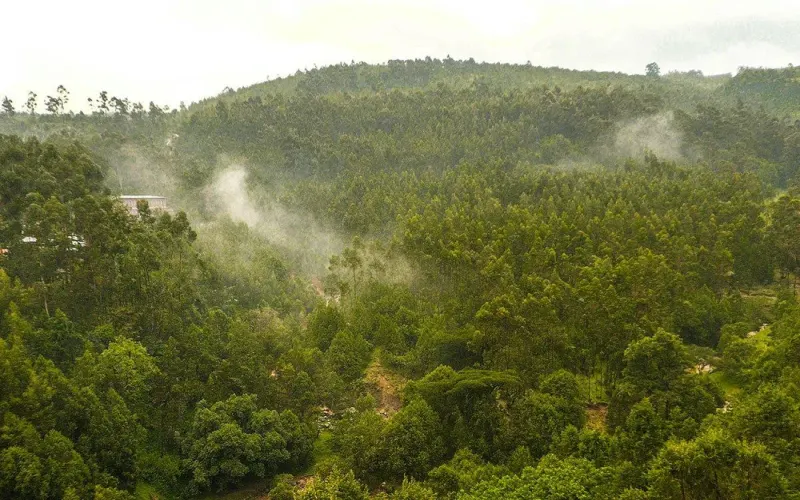
Exploring Ethiopia's Kafa Primeval Forest: The Origin and Flavor Analysis of Wild Arabica Coffee
Ethiopia is hailed as the cradle of coffee, and the Kafa Forest is the oldest and most pristine representative producing region in this land. Here, Arabica coffee trees grow wild and naturally in cloud-shaded rainforest, fully integrated into the forest ecosystem. This article begins with the historical legends of the Kafa Forest, sorts out its unique microclimate and soil advantages, and presents the roasting and cupping performance of a naturally processed Kafa Forest coffee bean sourced by Front Street Coffee, including dry aroma, wet aroma, and flavor changes at different temperatures, offering coffee lovers a complete sensory experience of wild coffee. [more…]

Nayuki Fined for False Advertising, New Tea Beverage Brands' Cultural Marketing Faces a Trust Test
Nayuki received a fine for a false advertisement regarding mulberry ingredients, drawing attention to its brand marketing methods. This is not the first time Nayuki has been embroiled in controversy; since its listing, multiple stores have been exposed or penalized for food safety issues. Meanwhile, Nayuki has been trying to connect with young consumers through cultural, artistic elements, and social marketing. From high-priced tea drinks to loss-making financial reports, to closing its largest store and establishing a new company, Nayuki is seeking a new path to survival. This article reviews the sequence of events, historical penalty records, and the multiple challenges the brand faces in marketing and operations, and explores the core of competition in the new tea beverage industry. [more…]

What grade does Jin Jun Mei hold among black teas? A full analysis of the origin of its name and the story behind it.
Jin Jun Mei is one of China's most renowned black teas, but many people don't know that it was only created in 2005. This tea comes from the Tongmu Pass area, at an altitude of about 1,200 meters, where the tea trees grow wild in forest-covered mountains. Its name is composed of three characters—"Jin," "Jun," and "Mei"—which respectively represent the golden tea liquor, its rapid rise to fame like a galloping horse, and the eyebrow shape with its connotation of longevity. Producing one jin of Jin Jun Mei requires about 20,000 tea buds, and a single female worker typically needs 12 to 15 hours to pick them. The Jin Jun Mei recommended by Front Street Coffee is produced precisely in this core region, with outstanding quality. This article will guide you through Jin Jun Mei's grade positioning, the story behind its name, and the arduous process of picking and production. [more…]
Exploring Ethiopia's Kafa Primeval Forest: The Genetic Treasure Trove and Flavor Analysis of Wild Arabica Coffee
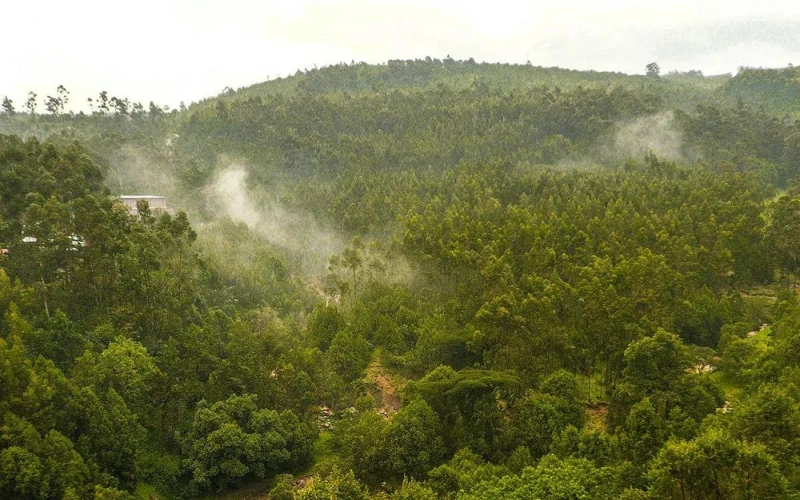
In southwestern Ethiopia lies a primeval forest known as the "natural coffee variety museum"—the Kafa Biosphere Reserve. This is not only a genetic treasure trove of Arabica coffee but also nurtures approximately 5,000 coffee tree species. Front Street Coffee has delved deep into the archives to unveil the mysteries of the Kafa Forest for you: from the historical origins of the Kingdom of Kafa, to the growing environment of wild coffee, and further to the threats of cultivation and conservation efforts it faces. The article also features a cupping of a washed batch of Front Street Kafa Forest coffee beans, presented in a medium-light roast revealing the enchanting flavors of bergamot, white florals, and apricot. Follow our words and savor the pure taste bestowed by this ancient forest. [more…]
A Detailed Explanation of the Flavor Characteristics and Origin Background of Front Street Yirgacheffe Gediyo East Highland Coffee Beans
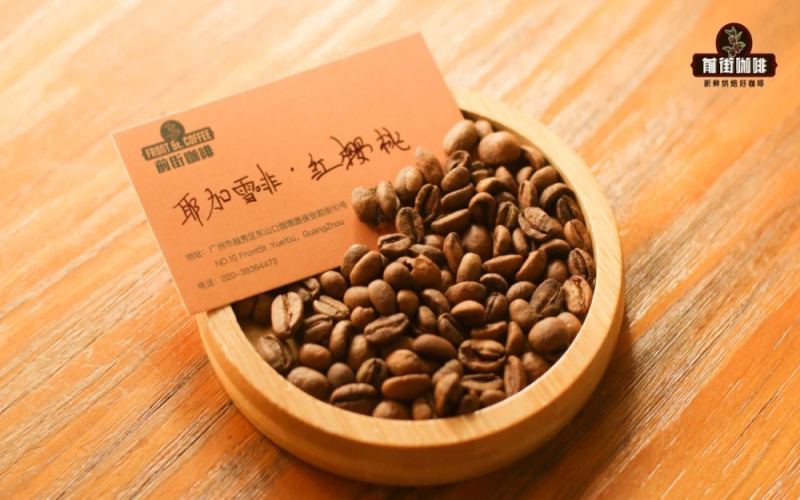
Yirgacheffe is one of Ethiopia's most representative specialty coffees, and its fresh citrusy acidity and elegant floral aroma have captivated countless coffee lovers. This article focuses on Front Street Ethiopia Yirgacheffe, covering its name, grading, roasting recommendations, flavor profile, and origin background one by one. This WP Grade 2 washed bean is recommended to be roasted at a medium level, with slight acidity and a dark chocolate finish, and excellent balance. The producing area is located in the Gedeo Zone of Sidama Province, where the coffee trees originate from wild Ethiopian plants, with plump beans and a mellow taste. The article also introduces Front Street Washed Gutingting, which has richer flavor layers and is suitable for various brewing methods such as cold brew, bringing a refreshing and clear taste experience for summer. [more…]
Ethiopian Coffee vs. Geisha Variety Comparison: Flavor Characteristics of Kafa Wild Forest Washed Beans and V60 Brewing Method
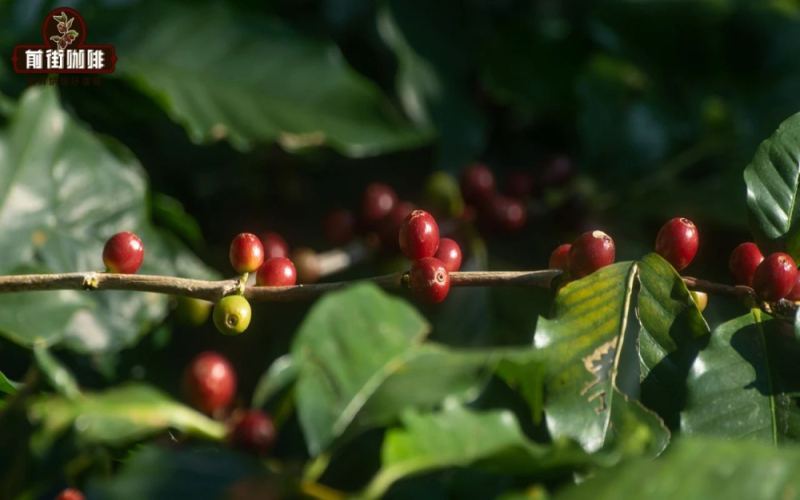
Ethiopia, as the birthplace of Arabica coffee, is home to numerous well-known growing regions, and the Geisha variety takes its name from the Geisha Mountain in the country's Kafa forest. Starting from Front Street Coffee's everyday bean series, this article systematically reviews Ethiopia's coffee-growing conditions, its main producing regions, and the wild coffee characteristics of the Kafa Biosphere Reserve, while comparing in detail the essential differences between the native heirloom varieties of the Kafa forest and the Panamanian Geisha variety. It also introduces the flavor profile of Front Street's washed Kafa Forest coffee beans, along with the specific parameters and techniques for three-stage extraction using a V60 dripper, helping coffee enthusiasts understand more clearly the relationship between Ethiopian coffee and Geisha. [more…]

The Truth About Wild Kopi Luwak from Sumatra, Indonesia: Historical Origins, Bean Source Controversy, and Front Street Brewing Suggestions
Kopi Luwak is known as the luxury item of the coffee world, with a retail price starting at at least six hundred dollars per pound, and its scarce production has made it an object of pursuit among the wealthy. But controversy surrounding this coffee has never ceased: do the beans actually come from wild civets or captive-bred individuals? Is the flavor truly as outstanding as legend says? How did European colonial history give rise to this method of drinking coffee from beans found in feces? This article systematically sorts through the past and present of Indonesian Sumatra Kopi Luwak, from historical origins, animal habits, and certification difficulties to brewing parameters, and shares Front Street Coffee's tested brewing method and flavor evaluation, helping coffee enthusiasts view this expensive beverage rationally. [more…]
A Comprehensive Analysis of the Characteristics of Ethiopia's Southwestern Kafa Forest Coffee Region and the Origins of Wild Arabica
Ethiopia is globally recognized as the birthplace of coffee, and its southwestern Kafa Forest is widely regarded as the original homeland of Arabica coffee. Starting from Ethiopia's overall coffee-growing conditions, this article outlines the distribution of well-known producing regions such as Yirgacheffe, with a focus on the geography, ecology, and coffee cultivation patterns of the Kafa region and the Kafa Biosphere Reserve. It also clarifies a common misconception: the Kafa Forest and the Panama Geisha variety are not the same thing. The article also introduces the flavor profile of Front Street Coffee's Kafa Forest washed beans and V60 brewing parameters for coffee enthusiasts' reference. [more…]
A Complete Analysis of Ethiopia's Nine Specialty Coffee Regions: Flavor Differences and Farming Systems of Yirgacheffe and Sidamo
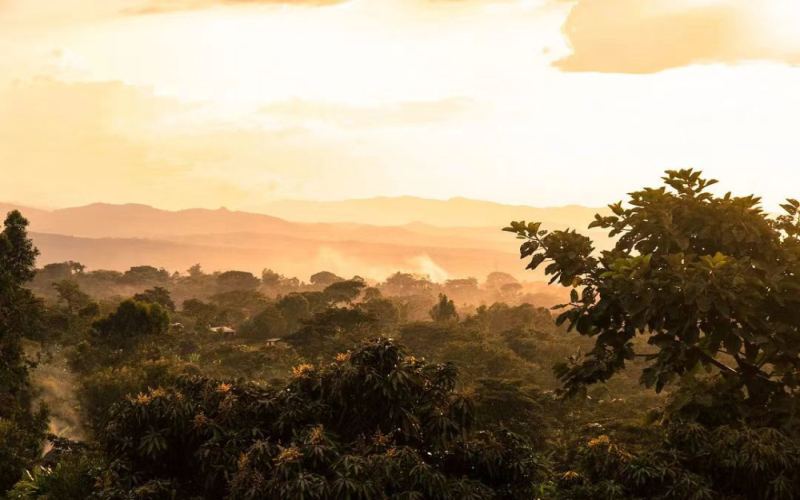
Ethiopia, as the birthplace of coffee, boasts the world's richest and most diverse coffee-growing system and nine specialty regions. From wild forest coffee to garden-mixed cultivation, from Yirgacheffe's citrus florals to Sidamo's full-bodied berries, each region displays its own distinctive flavor charm. This article will provide an in-depth analysis of Ethiopia's four cultivation systems and the terroir characteristics of its nine major regions, with a focus on comparing the flavor differences between Yirgacheffe and Sidamo, and introduce representative coffee beans selected by Front Street Coffee, taking you to appreciate the diverse flavors of this coffee kingdom. [more…]
Exploring Ethiopia's Gesha Village Estate: The Origins, Grading System, and Full Flavor Analysis of Wild Geisha
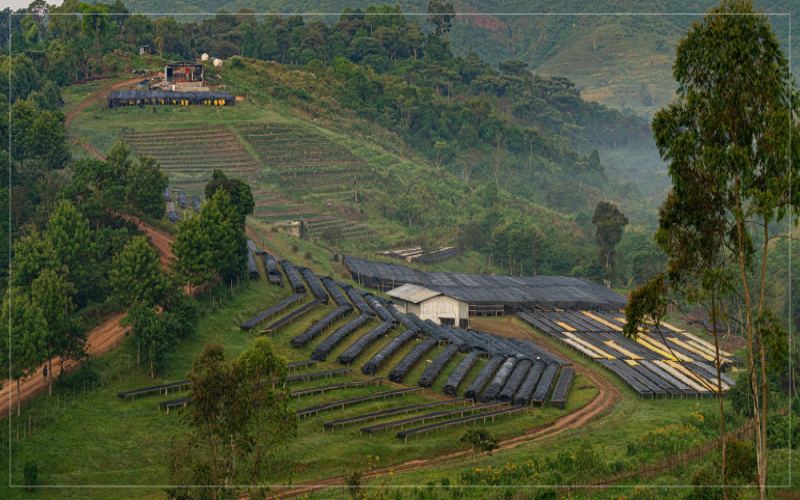
When it comes to Geisha, most people first think of that cup of floral tea with rose aromas and citrus notes from Hacienda La Esmeralda in Panama. However, in the Bench Maji region of Ethiopia, there hides another estate famous for its native wild Geisha — Gesha Village. It was founded in 2011 by documentary filmmaker Adam Overton and his photographer wife Rachel Samuel, and boasts a strict grading system and a complete flavor traceability system. This article will take you deep into the discovery journey of Gesha Village, the grading standards for the Auction/ Gold/ Red/ Green/ Chaka lots, processing details, and block divisions, along with Front Street Coffee's brewing parameters and flavor descriptions for the Gold, Red, and Chaka lots, providing coffee lovers with a comprehensive guide to Gesha Village. [more…]
Exploring the Origins and Production Areas of Assam Black Tea: A Full Analysis of Authentic Regions, Price Trends, and Health Benefits
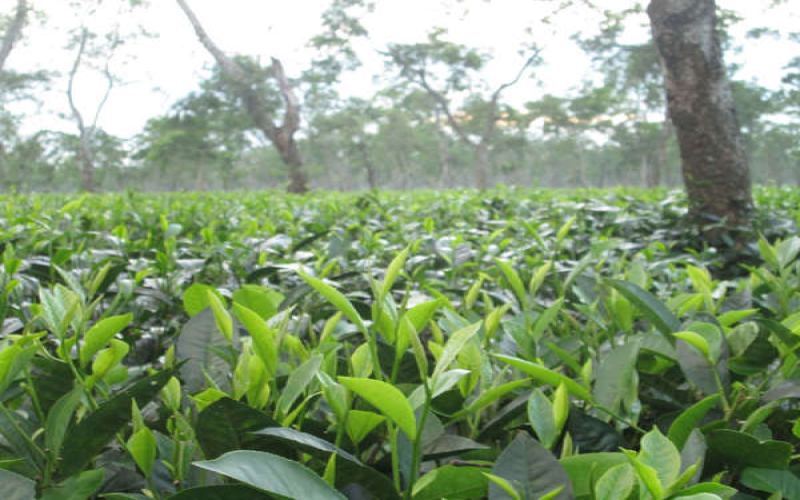
Assam is located in northeastern India, surrounded on three sides by the northern Himalayas, the Brahmaputra Plain, and the Deccan Plateau, making it one of the most biodiverse regions in the world. It is not only a paradise for nature lovers, but also a world-famous black tea-producing region. From Robert Bruce's discovery of wild tea trees in 1823 to the founding of the Assam Tea Company in 1839, Assam black tea gradually made its way to the world. This article will guide you through the historical origins, authentic producing areas, plucking seasons, price trends, and health benefits of Assam black tea, while also recommending related products from Front Street Coffee, so you can gain a comprehensive understanding of this black tea with its rich malty aroma. [more…]

Ethiopian Gesha Village Coffee Bean Guide: Full Breakdown of Red Label and Gold Label Grades, Gori Gesha, and Gesha 1931 Varieties
When Gesha is mentioned, most people first think of Panama's Hacienda La Esmeralda, but the variety actually originated in Ethiopia. Gesha Village, Ethiopia's most renowned Gesha-producing origin, is located in the wild forests of Bench Maji, where three main varieties are grown: Gesha 1931, Gori Gesha, and Illubabor. Drawing on the Panamanian model, the estate has established a five-tier classification system—auction lot, gold, red, green, and chaka—with each parcel planted to only one variety, allowing the variety's origin to be traced by parcel. Front Street Coffee brings you two beans from Gesha Village, the Red Label and the Gold Label, which combine the bright acidity and fresh floral aromas of African coffee, with citrus, tea-like notes, and berries running through the flavor profile—an unmissable choice for Gesha lovers. [more…]